These Morocco travel tips come from our local team, a Berber family from Merzouga who welcome travellers every week. Morocco is easy to enjoy, but money, dress, bargaining and distances work differently from home. Here are the 20 things we tell every guest before their first trip. For where to go and when, read our complete Morocco travel guide.
In short: carry cash in dirhams, dress modestly, agree prices first, take a licensed guide in big medinas, never do the Sahara as a day trip and plan long drives with a private driver.
Money
1. Get dirhams when you arrive
The Moroccan dirham (MAD) is a closed currency, so you usually cannot buy it before you leave. Use an ATM at the airport or in town, or change euros, pounds or dollars at a bank or an official exchange office. Keep your exchange receipts if you want to change dirhams back when you leave.
2. Carry small notes and coins
Souks, small cafés, taxis, toilets and tips are paid in cash. Large notes are often hard to change, so break them in supermarkets or hotels.
3. Know when to tip
Tipping is part of daily life. Guides, drivers, camel handlers, waiters and hotel porters expect a tip for good service. It is never compulsory, but always appreciated; round up the bill in cafés and leave a little more in restaurants.
Culture and etiquette
4. Dress modestly
Cover shoulders and knees in medinas and villages, for both men and women. Light, loose clothes are the most comfortable. Marrakech and the coast are more relaxed, but modest clothes always mean fewer looks. See what to wear in Morocco.
5. Ask before taking photos of people
Many Moroccans prefer not to be photographed, and some street performers ask for money. A smile and a question solve everything.
6. Respect mosques and prayer times
Non-Muslims cannot enter most mosques. The Hassan II Mosque in Casablanca is the main exception, with guided visits. On Friday, the day of prayer, some shops and monuments close around midday.
7. Check if your trip falls in Ramadan
During the month of fasting, many cafés close in the daytime and the rhythm of the day changes, but tours, hotels and riads work normally. Avoid eating and drinking in public in the street during the day, out of respect. The evenings, after the fast is broken, are lively and friendly.
8. Alcohol is available, but discreet
You can drink in many hotels, licensed riads, desert camps and tourist restaurants, but not in the street and not in most traditional restaurants in the medinas.
Medinas and souks
9. Take a licensed guide in Fes and Marrakech
The medinas are a labyrinth, especially Fes, with thousands of lanes. A licensed guide saves you hours and keeps shop visits under control. Be careful with friendly strangers who offer to show you the way and then ask for money: a polite “la, shukran” (no, thank you) works well.
10. Bargain with a smile
In the souks, bargaining is normal and part of the experience. Ask the price, offer less, take your time and stay friendly. If you do not agree, say thank you and walk away. Shops with fixed prices do not bargain.
11. Watch for small tricks
“That street is closed” to lead you to a shop, henna started on your hand before agreeing a price, or photos with snakes and monkeys in Jemaa el-Fna that end with a request for money. None of this is dangerous, just annoying. Read more in is Morocco safe for tourists.
Getting around
12. Do not underestimate distances
The Sahara is about 560 km from Marrakech, and Fes to Merzouga is a full day’s drive. Never try to see the big dunes as a day trip: plan at least three days, for example our 3 days Marrakech to Merzouga desert tour.
13. Use trains between cities, a driver for the south
Trains link Tangier, Rabat, Casablanca, Fes and Marrakech, and the Al Boraq high-speed train connects Tangier and Casablanca. But there is no train to the Sahara, the Atlas or the gorges. That is why most visitors book a private driver in Morocco. In cities, ask petit taxis to use the meter or agree on the price first.
Health and comfort
14. Drink bottled water and protect yourself from the sun
Drink bottled water, eat in busy places and carry sunscreen, sunglasses and a scarf. In the desert and the mountains, nights are cold from November to March: check what to pack for the Sahara desert. Travel insurance with medical cover is strongly recommended.
15. Learn a few words
Arabic and Amazigh are the official languages, French is widely spoken and English is common in tourist areas. A few words of Moroccan Arabic open many smiles: salam (hello), shukran (thank you), la, shukran (no, thank you) and bslama (goodbye).
Safety and small details
16. Leave your drone at home
Drones are not allowed into Morocco without a special permit, and customs usually hold them at the airport until you leave. Therefore, it is simpler not to pack one.
17. Carry tissues and hand gel
Toilets in roadside cafés and small restaurants often have no paper. A small pack of tissues and some hand gel make long drive days much more comfortable.
18. Plan around Friday prayer
Friday is the holy day. Around midday prayer, some shops in the souks close for an hour or two, and family lunch is couscous. As a result, Friday morning is a good time for monuments, and the afternoon for a slow walk.
19. Tips for women travellers
Most women travel in Morocco without problems. Even so, loose clothes that cover shoulders and knees reduce attention, and a calm “la, shukran” is the best answer to insistent sellers. In the medinas at night, a guide or a group makes walking easier. Read more in is Morocco safe for tourists.
20. Book peak dates early
Easter, the Christmas holidays and New Year fill desert camps and popular riads weeks ahead. If your dates fall in these periods, book your route at least one to two months before. Our private or group tour in Morocco guide helps you choose the right format.
A sample first day in Morocco
To put these tips together, here is how we often plan a first day in Marrakech. In the morning, change some money at the airport and buy a local SIM card. Next, your driver takes you to your riad, where you rest with a mint tea. After lunch, visit the medina with a licensed guide, who explains prices, bargaining and the safest routes through the souks. In the evening, walk to Jemaa el-Fna, but agree the price of any photo or henna before it starts. Finally, have dinner on a rooftop and go to bed early: the next day, the road to the desert begins.
This simple rhythm avoids most first-day problems. As a result, you start the trip relaxed and confident. If you want this day organised for you, see our private driver in Morocco service.
Bonus: practical details
- Plugs: European type C and E, 220 V.
- SIM card: Maroc Telecom, Orange and inwi sell cheap data SIMs at the airport.
- Visa: many nationalities, including the EU, the UK, the US and Canada, can enter without a visa for up to 90 days; your passport should be valid for at least six months. Always check the rules for your nationality.
- Best time: spring and autumn. See the best time to visit Morocco.
Local tip from our team: say yes to the mint tea. Being invited for tea is how Moroccans welcome you, and five minutes sitting down with someone is often the best memory of the day.
Morocco travel tips: FAQ
Is Morocco safe for first-time travellers?
Yes, Morocco is generally safe for visitors. The main problems are small tricks in busy medinas, such as fake guides or unclear prices. A licensed guide, clear prices agreed in advance and a private driver remove most of these worries. Read is Morocco safe for tourists for details.
What should I know before travelling to Morocco?
Carry cash in dirhams, dress modestly, agree prices before buying, take a licensed guide in the big medinas and plan long distances carefully.
Is English spoken in Morocco?
In tourist areas, many people speak some English. French and Arabic are more common, and our team speaks English, Spanish and French.
How much should I tip in Morocco?
Small amounts for small services, and more for a guide or driver after a full day. Tipping is expected but never compulsory.
Can I use my credit card in Morocco?
Yes, in most hotels, riads and larger restaurants, but you need cash for souks, taxis and small cafés.
How many days do I need in Morocco?
Seven to ten days is ideal for a first trip. Read how many days in Morocco and see the best things to do in Morocco.
Plan your first Morocco trip
With these tips, you are ready. Our local team builds private trips with your own driver and hand-picked riads. Browse our Morocco tours, read our Morocco holidays guide or ask for a tailor-made tour. You can also explore the medina of Marrakech on UNESCO and the regions on Visit Morocco.
Ready to plan your Morocco trip?
Tell us your dates and group size. We will send you a private route with your own driver, hand-picked riads and the price.
- Send us your dates and group size.
- We reply with a private day-by-day route and the price.
- You change anything you like; nothing is paid until you agree the plan.
★★★★★ 5.0 from 522 reviews on Tripadvisor
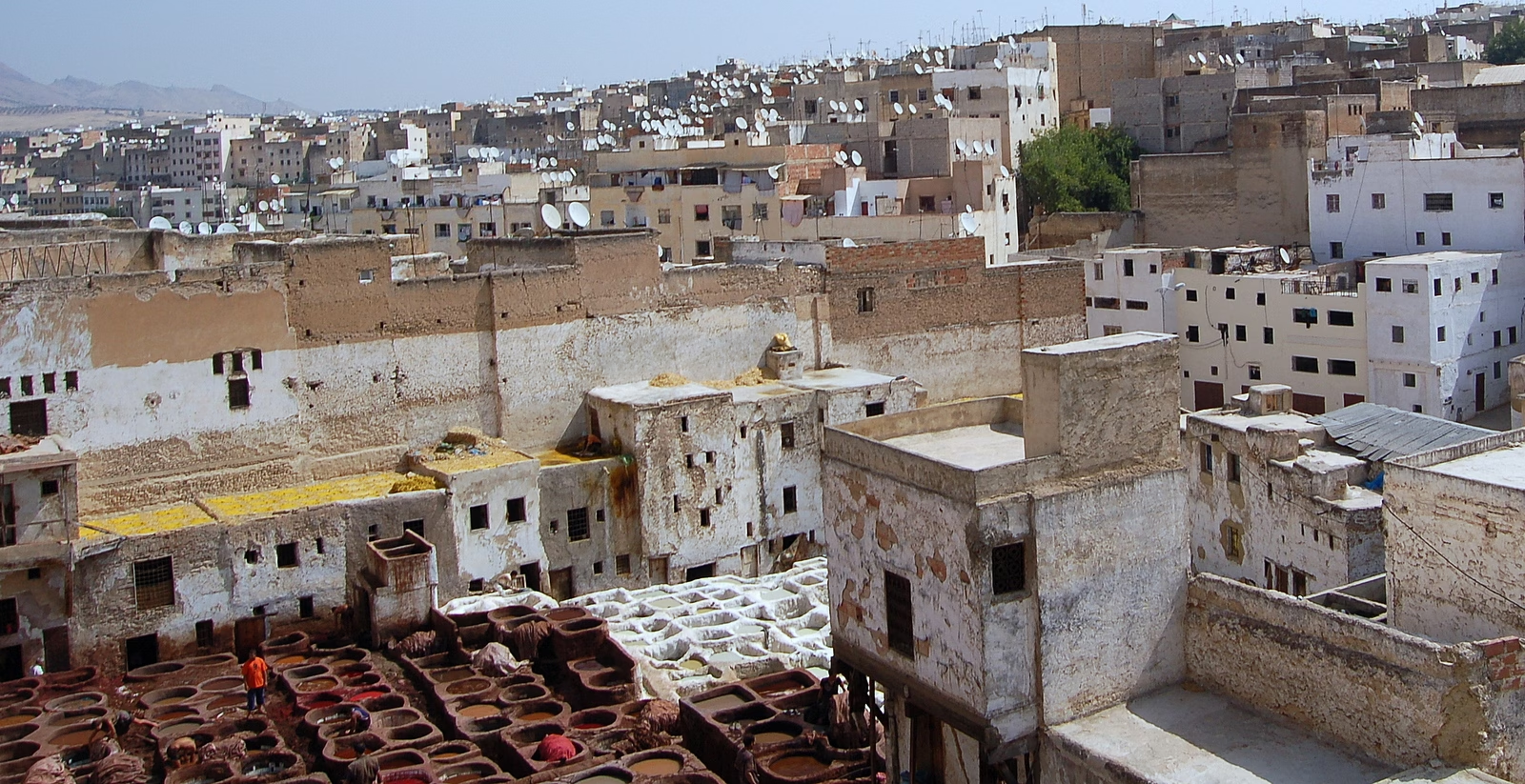
Main photo: Pawel Ryszawa, Wikimedia Commons, CC BY-SA 3.0.